Urban regeneration
Ex Caserma Dante Alighieri
A strategic location, ready to unlock its hidden potential.
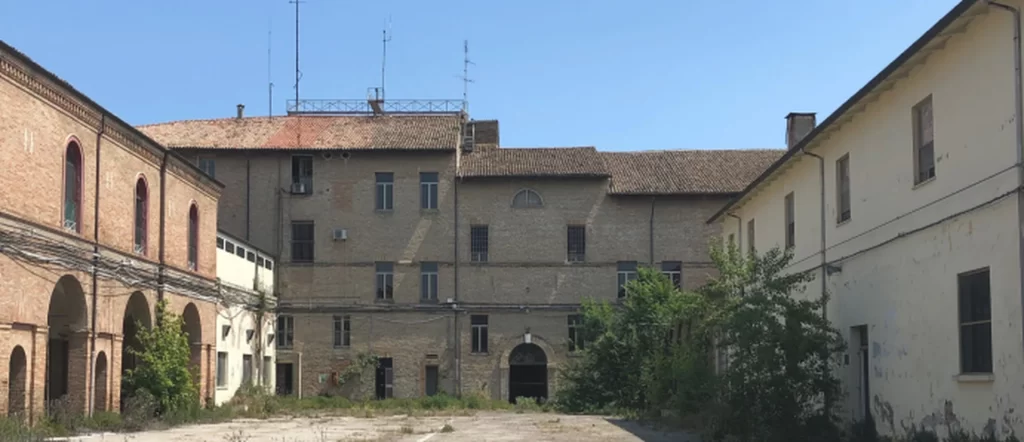
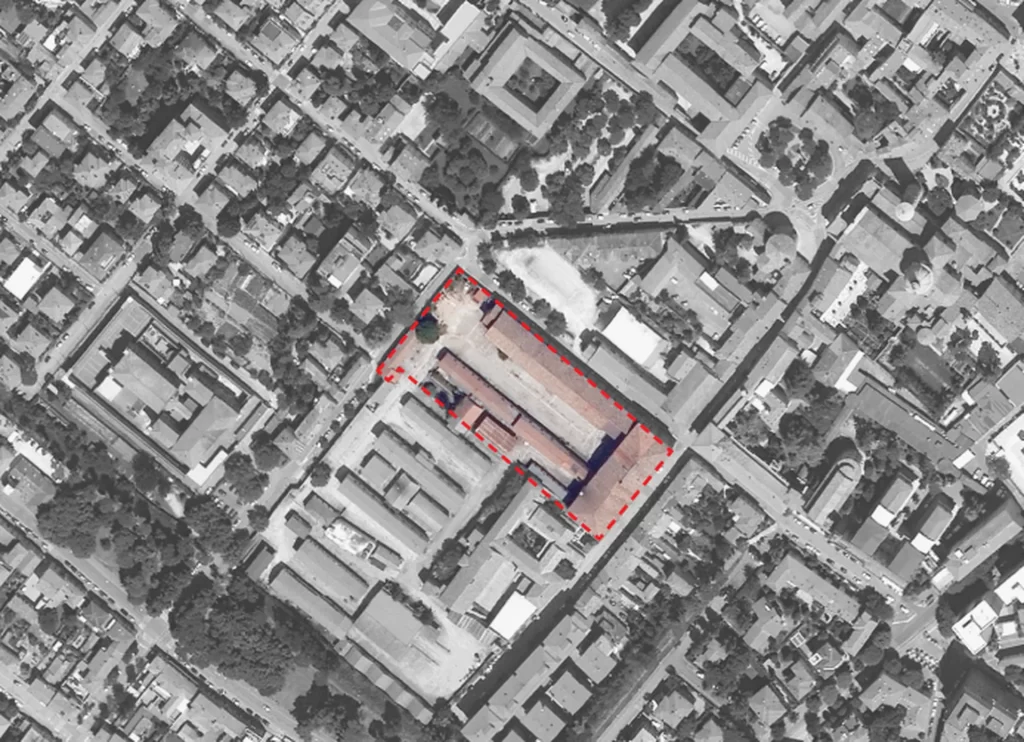
In the historic centre of Ravenna, between Via Nino Bixio and Via Guidarelli, stands the former Dante Alighieri Barracks, a complex of over 8,500 m² with roots stretching back to the 19th century. Owned by Cassa Depositi e Prestiti since 2017, this symbolic site is now preparing to embark on a new chapter centred on urban, social and environmental regeneration.
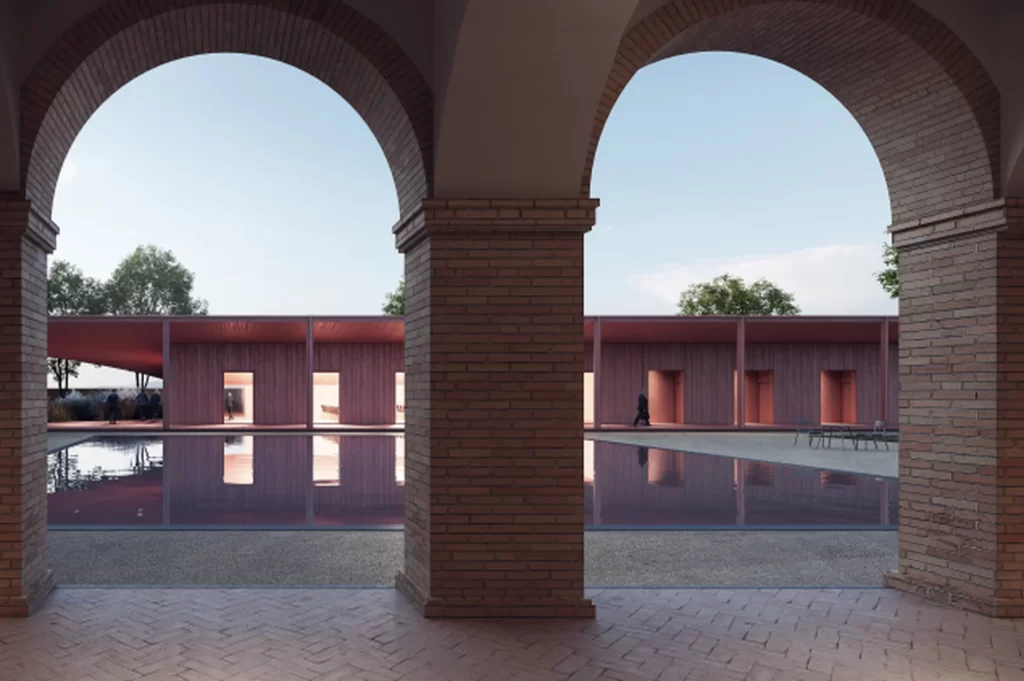
Located in a marginal yet highly significant area of the city’s historic core, the former barracks form part of the broader “Ravenna Rigenera” municipal project, which won the 2018 regional call for urban regeneration. The aim is to transform a neglected, single-use area into a new urban hub, restoring architectural, landscape and social value to the city’s fabric.
The main masonry building, listed by the Soprintendenza (Heritage Authority), stands alongside more recent structures of no historical value, which are slated for demolition. The design vision—promoted by the new General Urban Plan (PUG)—seeks to breathe new life into the site through an innovative functional mix capable of attracting investment and generating positive impact on the urban environment.
The PUG outlines high-value uses for the former barracks: student and social housing, hospitality facilities, cultural, educational, recreational and training services, as well as spaces for start-ups and co-working. However, emphasis is also placed on the importance of extending residential use to include the private and affordable housing markets, in order to welcome new residents and foster a vibrant, continuous presence in the historic centre, which is currently experiencing demographic decline.
The transformation of the former Dante Alighieri Barracks goes beyond the built environment and reaches into the wider urban context: the project includes the removal of impermeable surfaces and the creation of an archaeological park in the adjacent area—currently unused but rich in buried urban history. The intervention thus becomes an opportunity to return quality public spaces, green areas and community services to the city.