Urban regeneration
Nuovo Delfino
Where Industrial Heritage Meets Social Innovation.
The Nuovo Delfino Multipurpose Center is nested at the heart of Rio Saliceto, surrounded by key community services such as town hall, schools, social hub and the health clinic. Originally built as an industrial building for knitwear production, the structure became publicly owned in the 2000s. Despite occasional use for local events, the building remained largely vacant and inefficient, with high maintenance costs due to outdated systems. Following the 2012 earthquake, it was deemed unsafe, though still partially accessible.
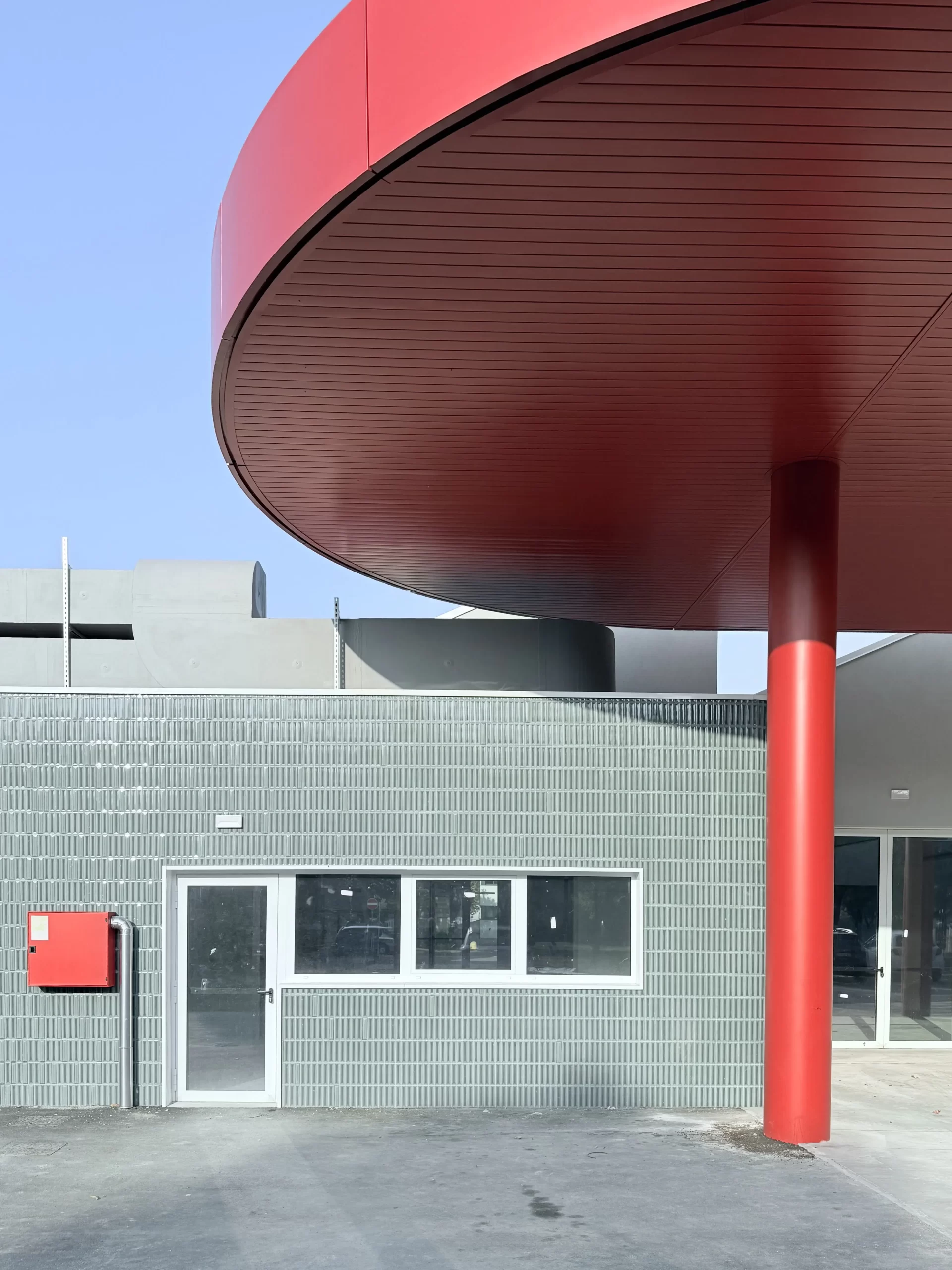
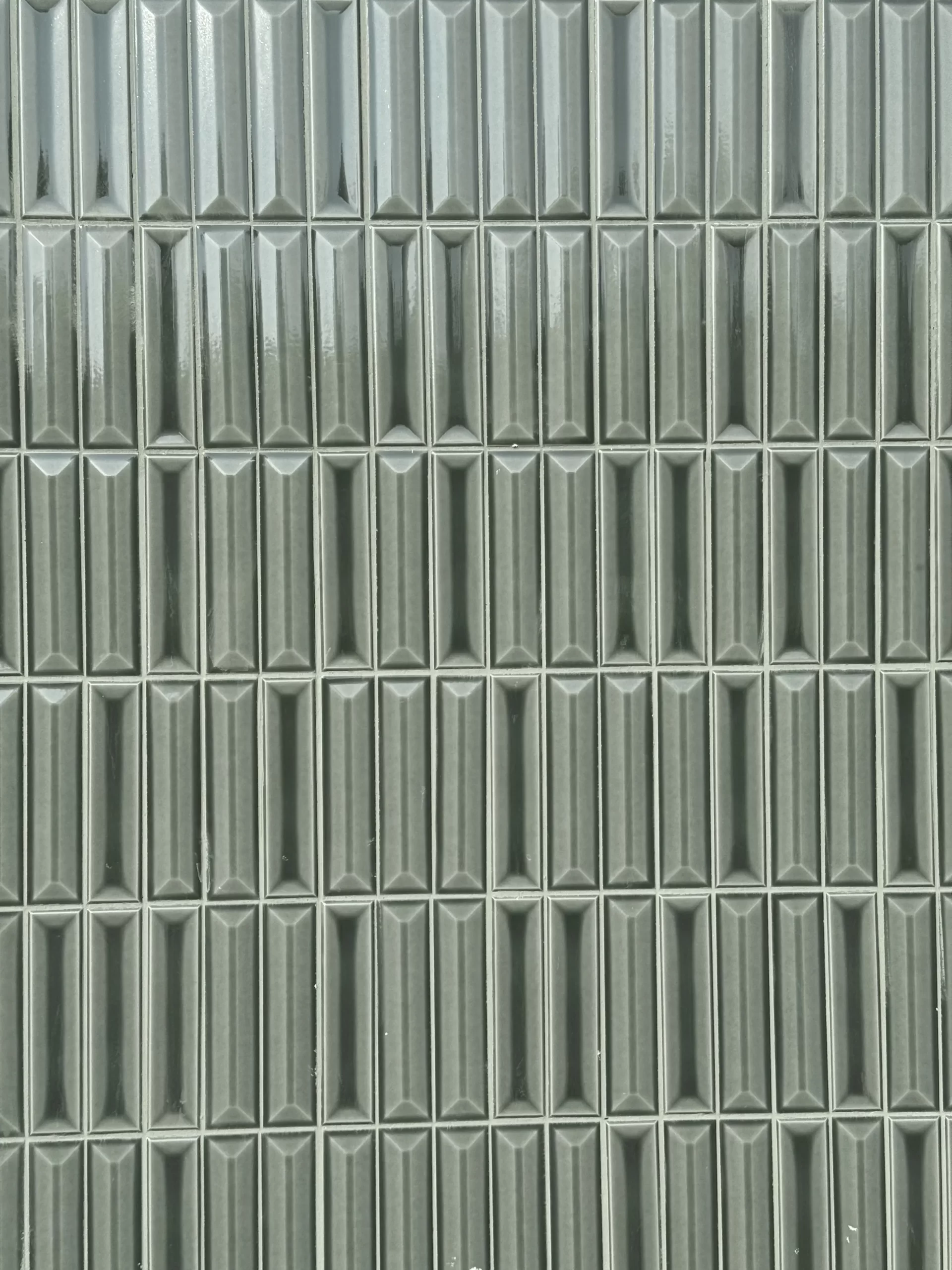
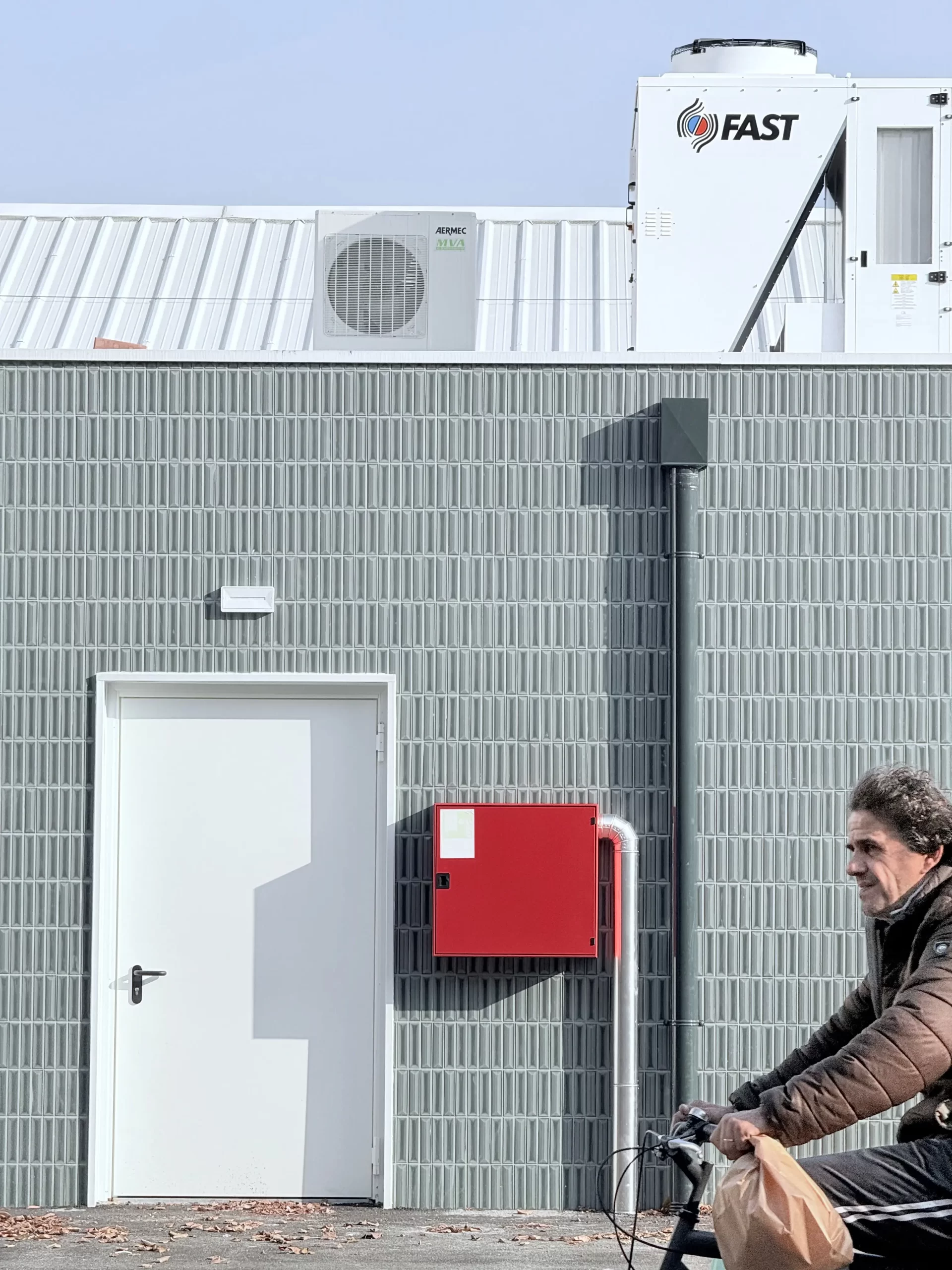
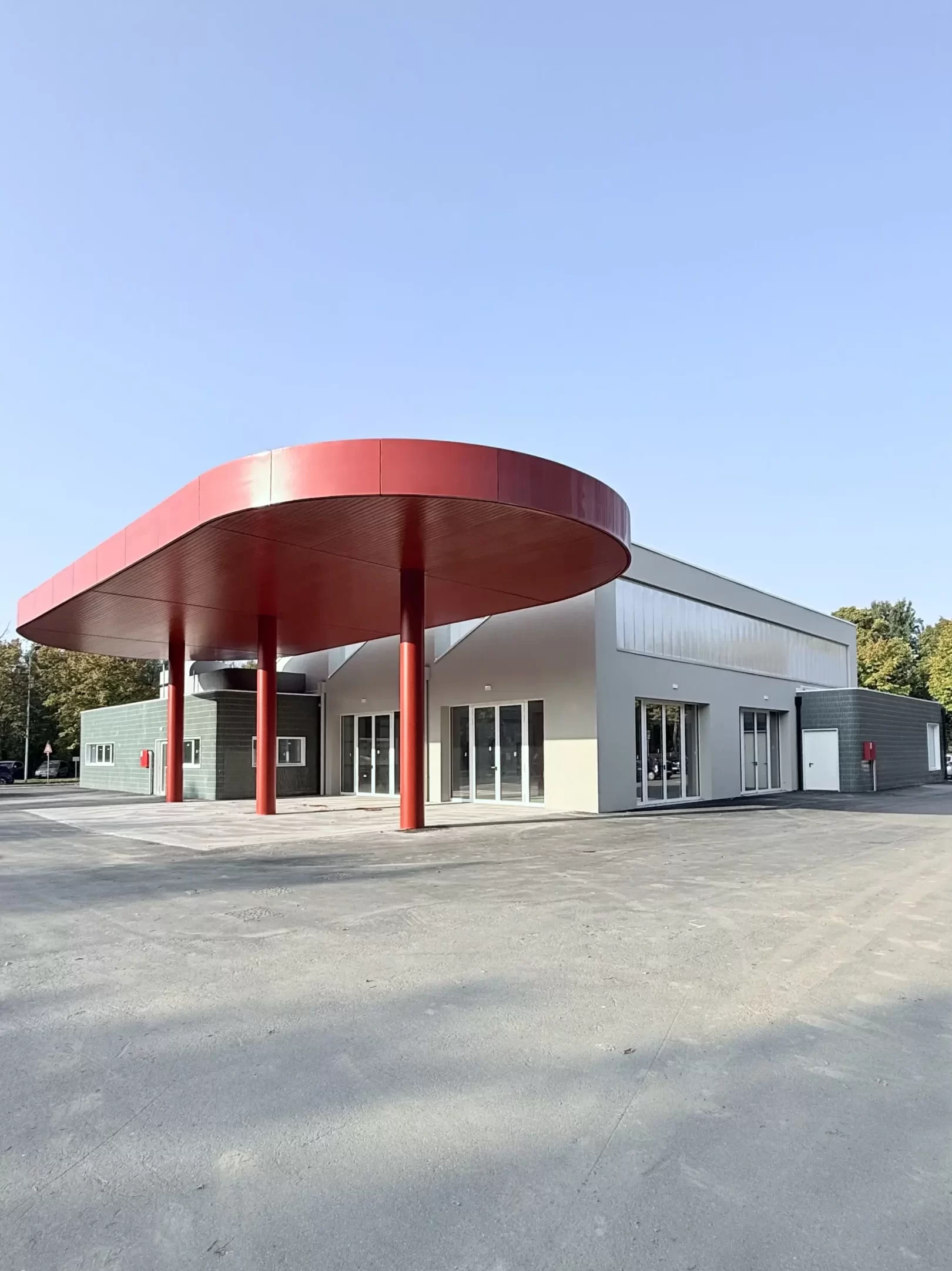
The original building industrial character was somewhat in conflict with the urban context, featuring a large car asphalt area and poor, cheaply detailed cladding materials. To improve the integration with the local character whilst retaining the historical value of the industrial heritage, the municipality of Rio Saliceto launched a regeneration project aimed at transforming the building into a modern multipurpose social impact hub that revitalizes the area. The project involved significant demolition and reconstruction, reducing the building’s footprint and enhancing soil permeability. One of the original large halls was preserved and restored, maintaining its distinctive industrial roof. New spaces, including classrooms, locker rooms, a kitchen, and a bar, were added. A large canopy now connects the indoor and outdoor spaces, transforming the parking lot into an extension of the public area, while the surrounding green space expanded by 1,000 square meters.
Designed to host a variety of events and daily activities, the center will continue hosting significant local events like Riomania and other community gatherings. Key partners like the “Dopo di Noi” Foundation and Cremeria will organize community activities. The building was designed as an NZEB (Nearly Zero Energy Building), ensuring sustainability through energy-efficient features like a 40-50 kW photovoltaic system.
Beyond physical renovation, the project involved social regeneration through a participatory process with local associations, ensuring that the center meets the evolving needs of the community.